
Practical guidance for life at home
Fall Prevention at Home Without Turning Life Upside Down
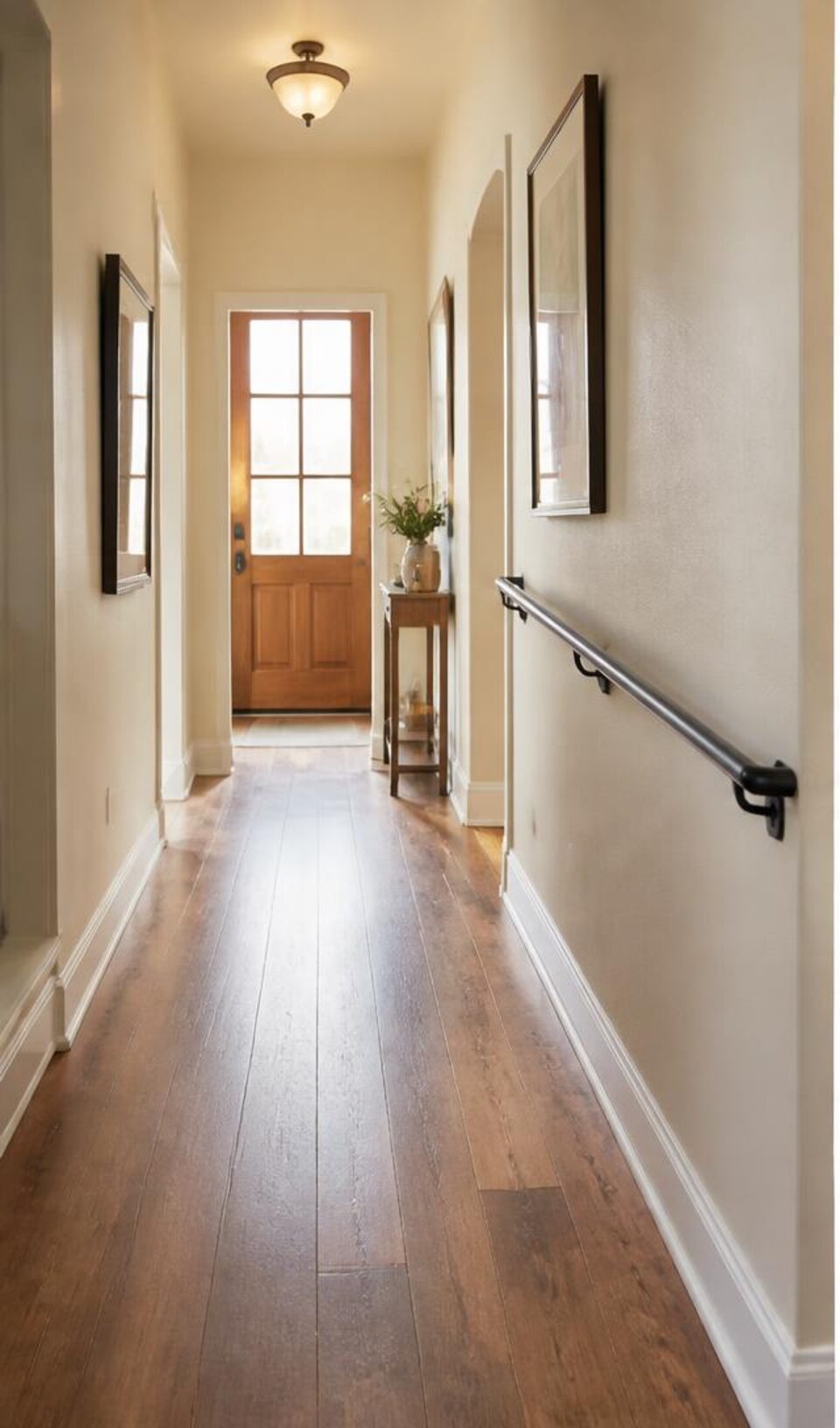
Falls often happen during completely ordinary moments: walking to the bathroom at night, carrying laundry, turning on a stair landing, or stepping out of the shower. That can make a familiar house feel unpredictable. The answer isn't to be afraid of every room. It's to notice where the home is asking too much and reduce that demand.
Follow the route, not just the room
A bathroom may have a grab bar, but the hallway leading to it is dark. A staircase may have solid steps, but the handrail ends too soon. Look at the whole trip from one activity to the next. Transitions, turns, doorways, and changes in light often explain why someone hesitates.
Begin with the places used every day. Clear cords and unstable rugs from walking paths. Repair loose flooring. Move furniture that creates a tight turn. Put a light switch where it can be reached before entering a dark area. These are modest changes, but they make movement more predictable.
Bathrooms and stairs deserve close attention
Wet surfaces and repeated sitting and standing make bathrooms demanding. Secure grab bars, a suitable shower seat, a reachable handheld shower, and a lower entry can reduce the amount of balance required. The supports should match the person's movement rather than being installed wherever there is open wall space.
On stairs, continuous graspable rails and even lighting are fundamental. Contrasting step edges may help when depth perception is changing. If climbing remains painful or exhausting, a stairlift or a different way to reach essential rooms may be worth discussing.
Lighting should reveal depth and edges
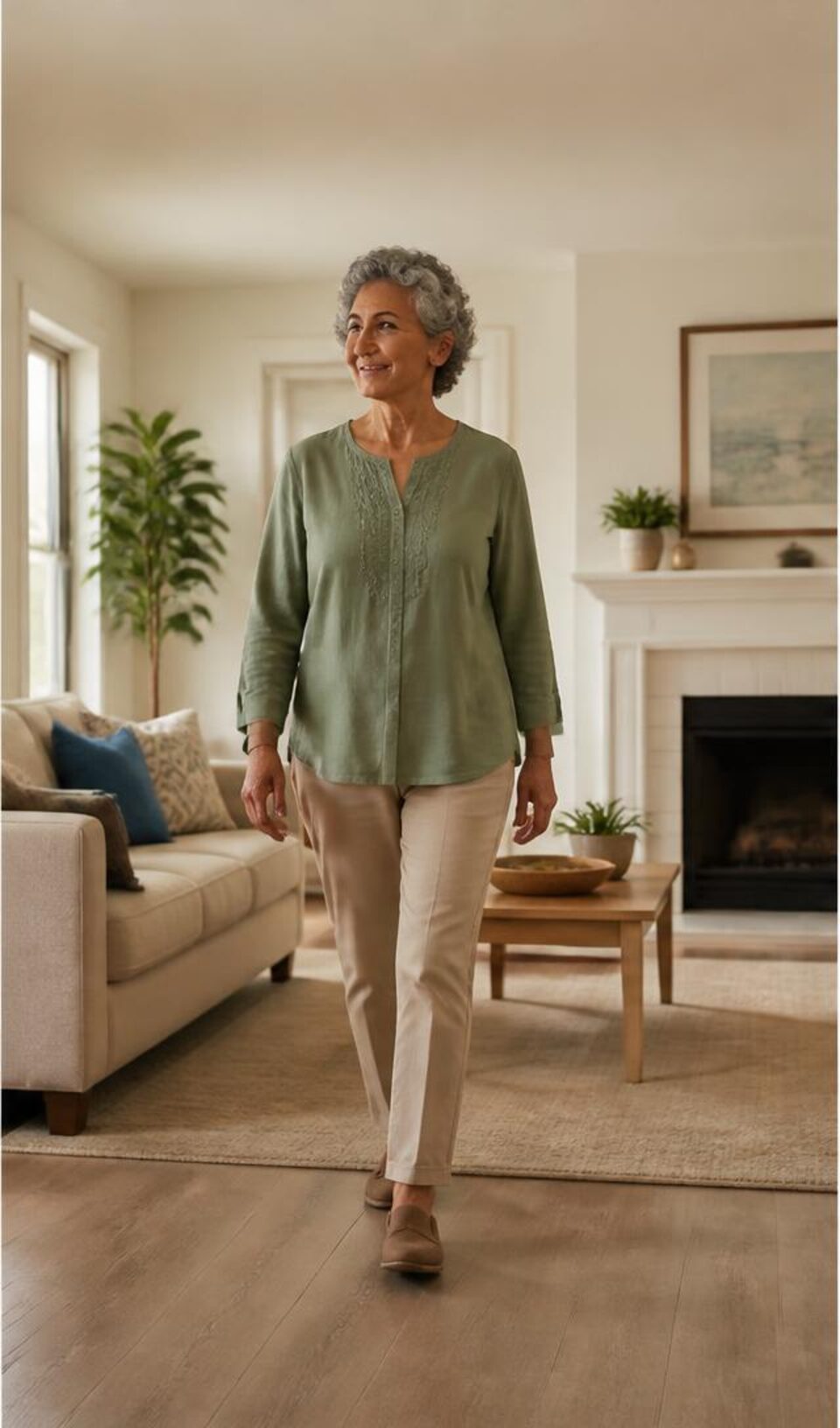
Adding more light is helpful only when it is even and does not create glare. A bright bulb at one end of a dark hall can make the contrast worse. Night lighting should guide the full path from bed to bathroom, including the floor and doorway.
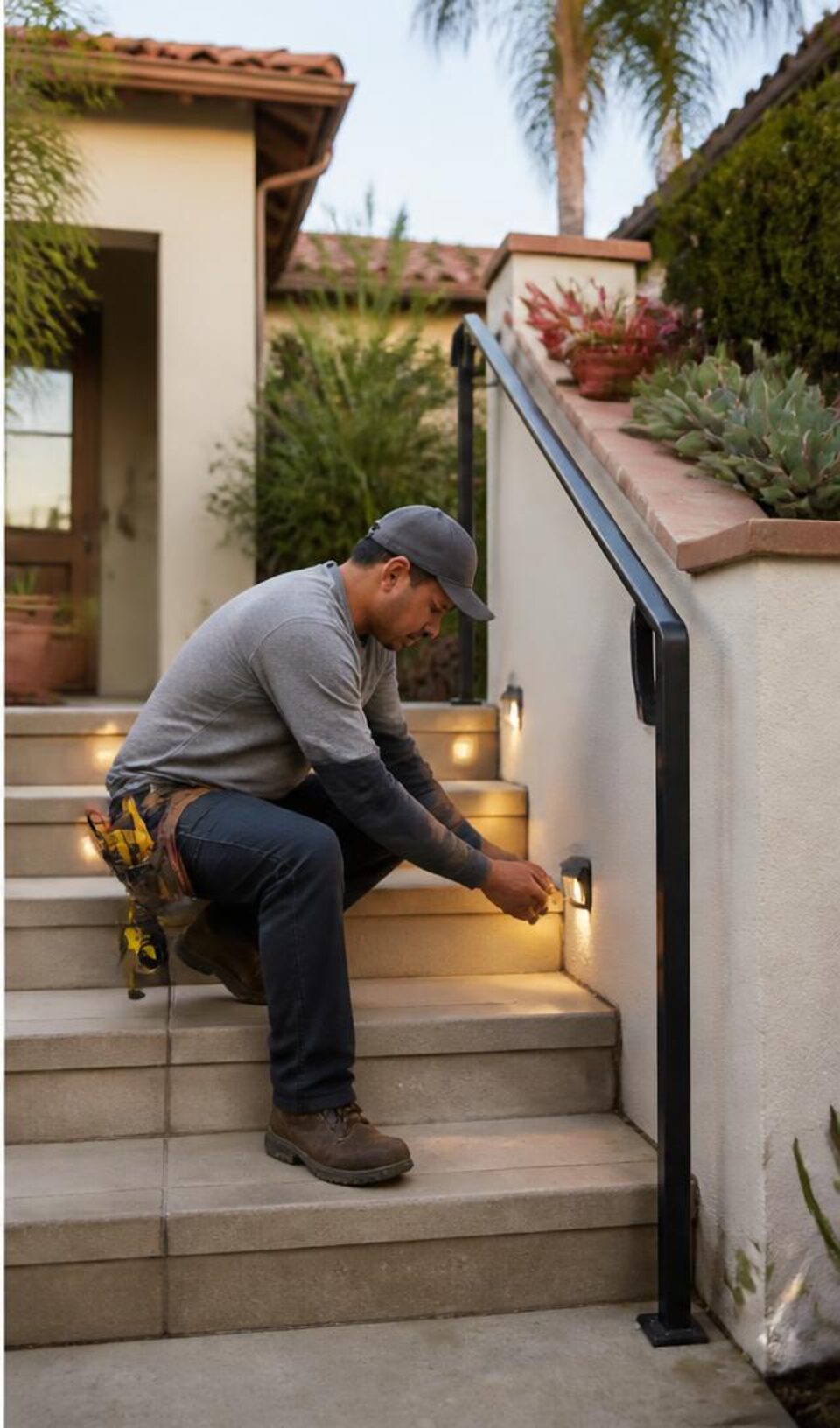
Outdoor routes need the same care. In Los Angeles, cracked walkways, sloped driveways, raised roots, and dim porch steps can make the first and last few feet of a trip the hardest. Repair the walking surface and place railings where they can be reached before the step begins.
The person is part of the assessment
Home changes are only one part of fall prevention. Vision, medication, footwear, strength, balance, pain, and mobility equipment can all matter. A healthcare professional can address medical factors, while an occupational therapist can observe daily activities and suggest strategies or equipment.
A remodeling professional should translate those needs into solid, maintainable construction. No modification eliminates every possibility of a fall, but a thoughtful combination of personal and environmental changes can make everyday movement less demanding.
Keep exploring with our home assessment guide or our walk-in shower guide.
Start with the place that worries you most
Show us the step, bathroom, hallway, or entrance that has become difficult. We can help you prioritize practical changes instead of trying to solve the entire house at once.