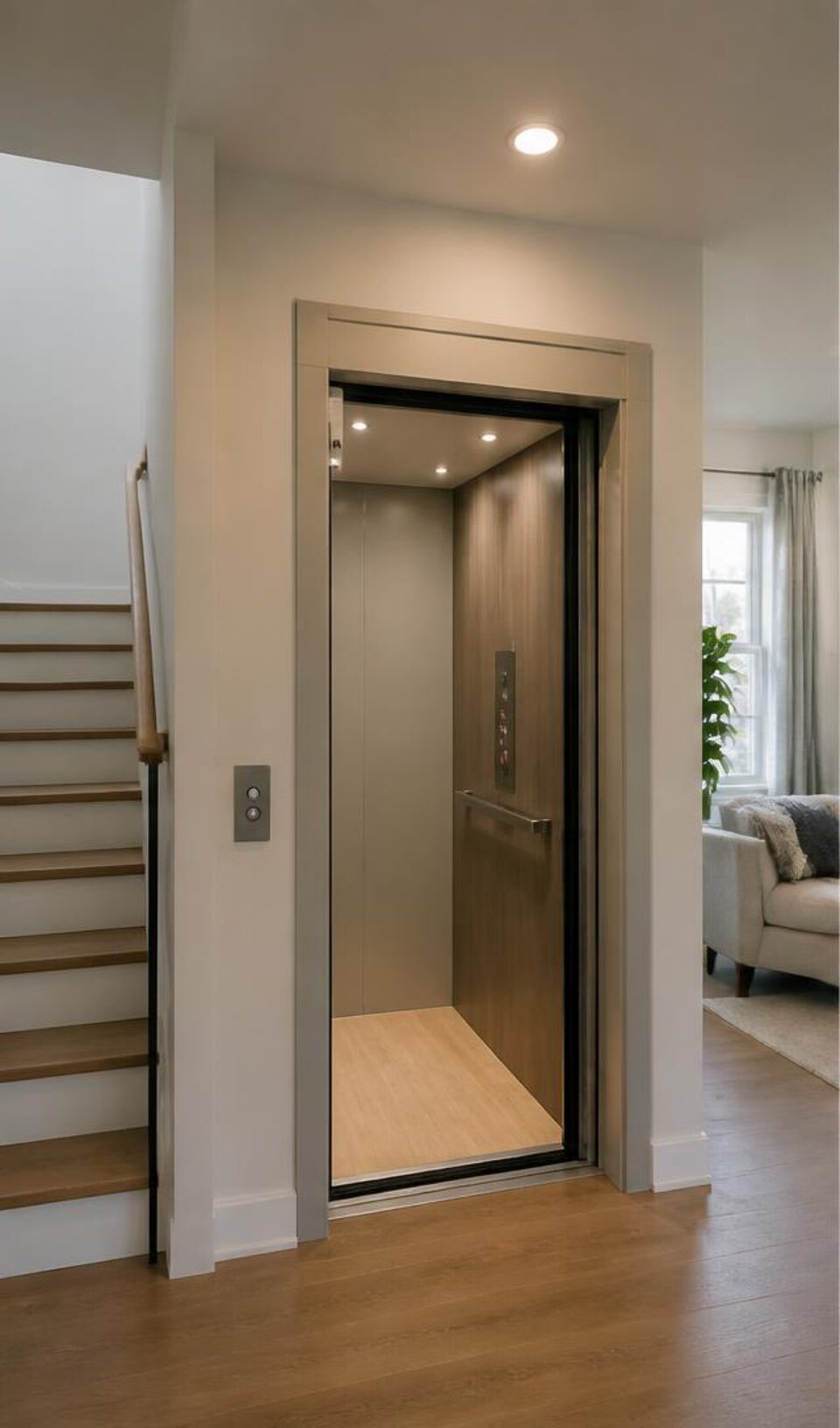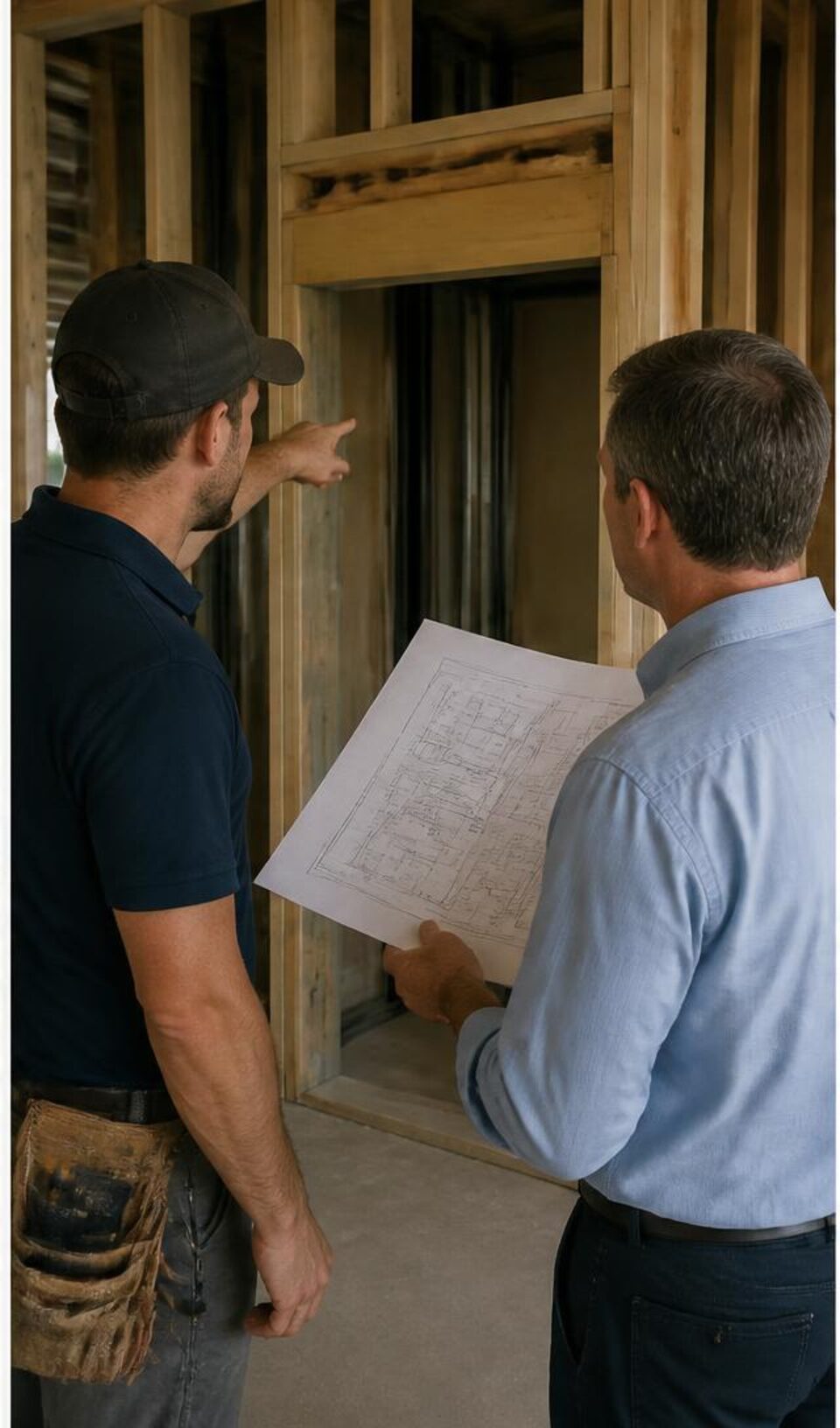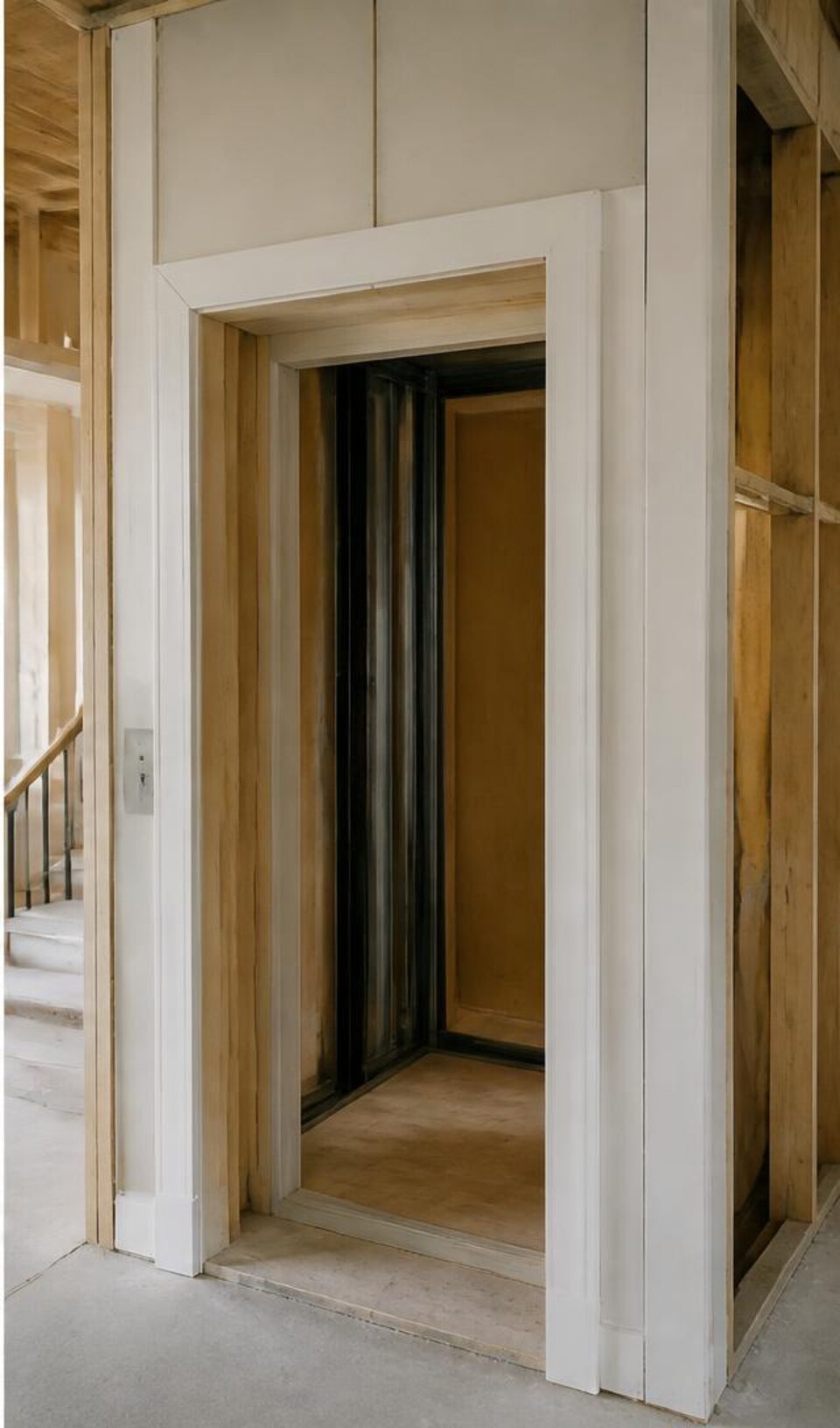
Home elevator with price considerations

    How Much Does a Home Elevator Cost? Residential Elevator Cost Guide

    November 28, 2024

    One of the first questions homeowners ask is simple: "How much does a home elevator cost?" The honest answer is: it depends—on your home, the type of system, finishes, and construction work required.

    This guide breaks down the typical residential elevator cost, the main factors that affect house elevator cost, and how you can plan a realistic budget.

    (Note: All numbers here are ballpark ranges. Always get itemized quotes from local installers.)

    Quick Overview: Average Home Elevator Cost

    The cost of a home elevator usually includes:

    • The elevator equipment itself
    • Installation labor
    • Construction and electrical work
    • Optional upgrades and finishes

    Depending on your region and project complexity, a basic two-stop house elevator may land in the low tens of thousands, while custom multi-stop systems with high-end finishes can cost significantly more.

    Residential Elevator Cost by Level

    Think of home elevator cost in three broad tiers:

    1. Entry-Level / Basic Residential Elevators

    • Serve 2 floors with standard cab sizes and finishes
    • Minimal customization
    • Simplest structural changes

    Ideal for homeowners who need a practical, cost-effective solution.

    2. Mid-Range Home Elevators

    • Serve 2–3 floors
    • Custom or semi-custom finishes (wood veneers, upgraded doors)
    • More flexible layout options
    • Features like auto-swing doors, higher weight capacity, or more advanced control panels

    These are often the sweet spot for balancing cost, comfort, and aesthetics.

    3. High-End / Custom House Elevators

    • Serve 3–4 (or more) floors
    • Fully custom cab design, glass panels, specialized lighting
    • Complex hoistway locations or structural work
    • Advanced automation or integration with smart home systems

    These systems focus as much on design and luxury as on accessibility.

    Key Factors That Affect Home Elevator Cost

    The reason you see such a wide range in residential elevator cost is that several variables stack together.

    Number of Floors & Travel Distance

    More floors = more travel distance, more materials, and more labor. Going from a 2-stop to a 3- or 4-stop elevator typically adds cost per additional level.

    Type of House Elevator System

    • Hydraulic: Smooth ride, high capacity, but usually requires a small machine room.
    • Traction/MRL: Efficient, no separate machine room, good for tight spaces.
    • Pneumatic/vacuum: Minimal construction and eye-catching design, but specific size and look.
    • Through-floor domestic lifts/platform lifts: Serve mainly two levels; sometimes lower cost, but more limited.

    Each system has different equipment, installation requirements, and long-term maintenance profiles, all of which affect cost.

    Construction & Structural Work

    Even if the elevator equipment seems affordable, construction work can push the total project cost up:

    • Building or reinforcing a shaft/hoistway
    • Cutting floor openings and altering framing
    • Electrical upgrades or new subpanels
    • Finishing work around doors and openings

    New builds are often cheaper because you can plan the elevator in from day one.

    Custom Finishes & Doors

    Like a kitchen or bathroom remodel, finish choices matter:

    • Standard laminate vs custom wood paneling
    • Basic vs architectural cab lighting
    • Utility doors vs matching interior doors or glass doors

    Custom design elements increase the final house elevator cost, but also make the system feel integrated into your home.

    Residential Elevator Cost by Type (Conceptual Breakdown)

    Here's how cost tends to behave by system type (exact numbers vary by region and vendor):

    • Hydraulic home elevators: Great for heavier loads and a traditional cab feel. Expect more construction and a machine room, but often robust and long-lasting.
    • Traction/MRL elevators: No machine room, but still require a shaft. Versatile and efficient. They can be cost-competitive with hydraulic systems, especially in new construction.
    • Vacuum/pneumatic elevators: Often less structural framing work, but the equipment itself can be a premium. Their transparent tube design is part function, part architectural feature.
    • Through-floor domestic lifts and platform lifts: Often more affordable for short travel (one level), ideal in smaller homes or where adding a shaft isn't feasible. The trade-off is lower capacity and fewer design options.

    Ongoing Home Elevator Costs: Maintenance & Energy

    When thinking about how much a home elevator costs, you should also factor in ongoing expenses.

    Maintenance

    Most manufacturers and installers recommend annual or semi-annual service. Typical maintenance programs cover:

    • Safety checks (doors, interlocks, emergency controls)
    • Lubrication and mechanical adjustments
    • Reviewing error codes and performance

    Budget a reasonable amount each year to keep the system in top shape and avoid larger repair bills later.

    Repairs & Parts

    Common replacement items over time may include:

    • Door operators
    • Control boards
    • Seals or components in hydraulic systems

    Having maintenance and service handled by the original installer or a qualified elevator company tends to reduce surprise costs.

    Energy Use

    Most modern home elevators are relatively efficient. A short run uses about as much power as a household appliance cycle. Energy usage may be slightly higher for hydraulic systems (especially older ones) and lower for newer traction or vacuum systems.

    Ways to Save on Residential Elevator Cost

    You can often manage home elevator cost without cutting corners on safety:

    • Plan early: Include the shaft or space in original architectural plans.
    • Choose standard finishes: Start with the base cab and upgrade over time instead of going fully custom right away.
    • Limit stops if possible: Every additional stop adds complexity.
    • Get at least two quotes: Compare apples to apples—equipment, construction, and maintenance.

    If needed, talk to your lender about HELOCs, home improvement loans, or other financing; some homeowners may also qualify for local or state accessibility grants, depending on their location and circumstances.

    Home Elevator vs Stairlift: Cost Comparison

    A stairlift is usually far cheaper up front and quicker to install, especially on a straight staircase.

    A home elevator or domestic lift costs more initially but:

    • Serves more people and mobility needs
    • Carries items like laundry, groceries, or furniture
    • Often adds more long-term value to the home

    If your main goal is simply to get one person up and down the stairs, a stairlift may be enough. If you're investing in long-term accessibility, resale value, and comfort, a house elevator can be worth the higher upfront residential elevator cost.

    Next Steps: Get a Real-World House Elevator Cost

    Use this guide to:

    • Decide on a general type of home elevator.
    • Identify the floors you want to serve.
    • Clarify your "must-have" vs "nice-to-have" features.
    • Get detailed, written quotes from at least two local installers.

    With those steps, you'll have a realistic range for how much a home elevator costs in your specific home—and you can move from research to action.

    Get Your Free Home Elevator Quote

    Our team can provide a detailed estimate based on your specific home and needs.