
Practical guidance for life at home
ADA Compliance and Home Accessibility Are Not the Same Thing

Homeowners often say they want an ADA-compliant ramp, doorway, or bathroom. Usually they are asking for something safe and usable by a person with a disability. That is a good goal—but the legal standard and the personal design goal are not always identical.
What the ADA actually covers
The Americans with Disabilities Act is a federal civil rights law addressing access in employment, government services, transportation, telecommunications, and businesses open to the public. Its design standards govern many public and commercial facilities, including routes, entrances, toilet rooms, and other building elements.
A typical private single-family home is not automatically required to follow the ADA. Other laws and building codes may apply to multifamily housing, rental properties, publicly funded work, or a home used as a place of business. The project type and jurisdiction matter.
Why homeowners still refer to ADA dimensions
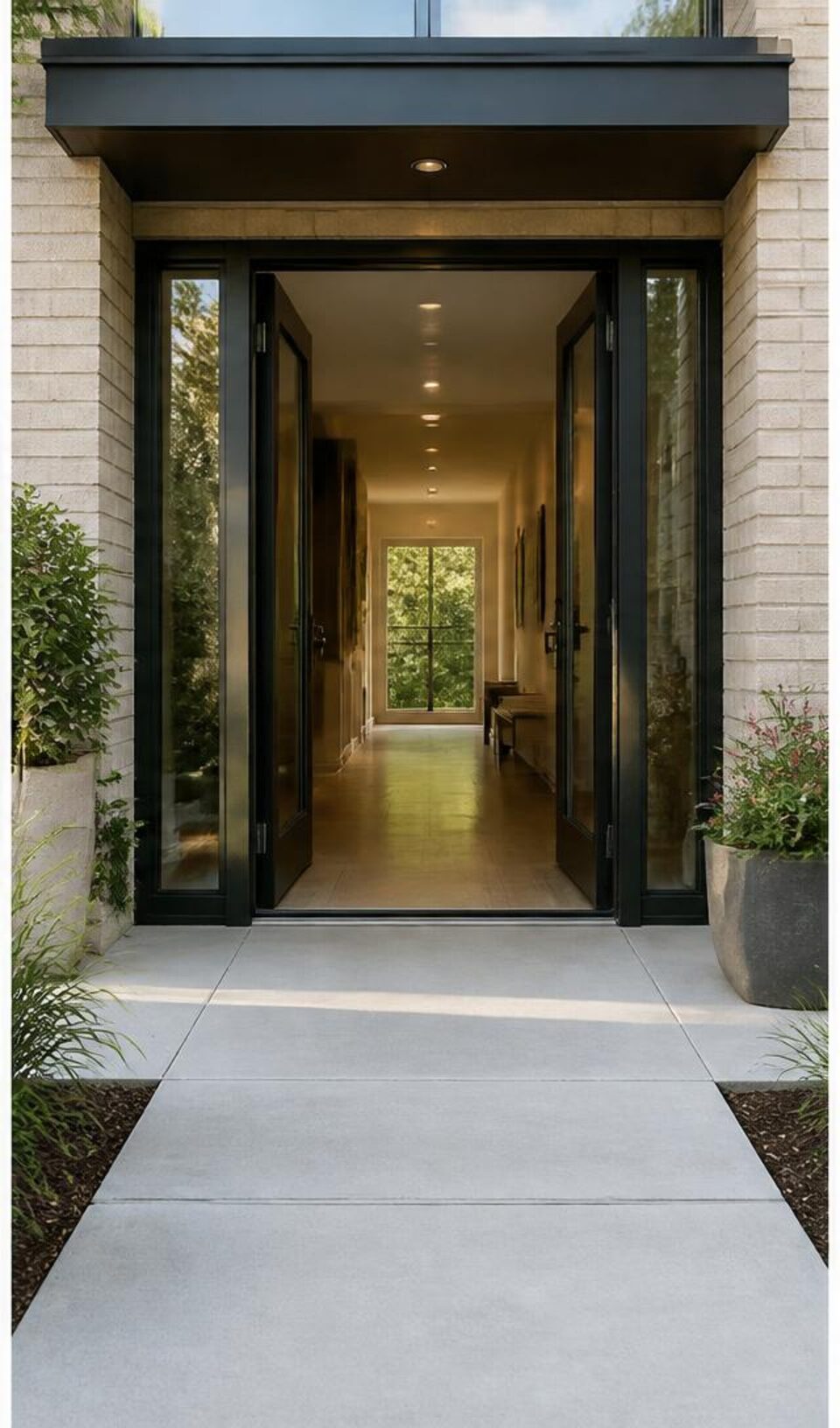
ADA standards provide a shared language for clear width, turning space, reach, slope, and fixture placement. Those measurements can be an excellent starting point when planning for a wheelchair or walker. They also help a family see why a narrow door or cramped toilet location is difficult.
But a home can be designed around a specific person in ways a public facility cannot. A bar may need to meet one resident's hand exactly. A counter may be set for someone who cooks from a particular chair. Personalization is the strength of residential accessibility, as long as construction still follows the rules that apply.
Compliance is more than buying labeled products
A grab bar sold as ADA compliant does not make the wall compliant. Its position, length, clearance, support, and relationship to the fixture matter. The same is true of doors, ramps, sinks, and showers. Accessibility is created by the complete installation.
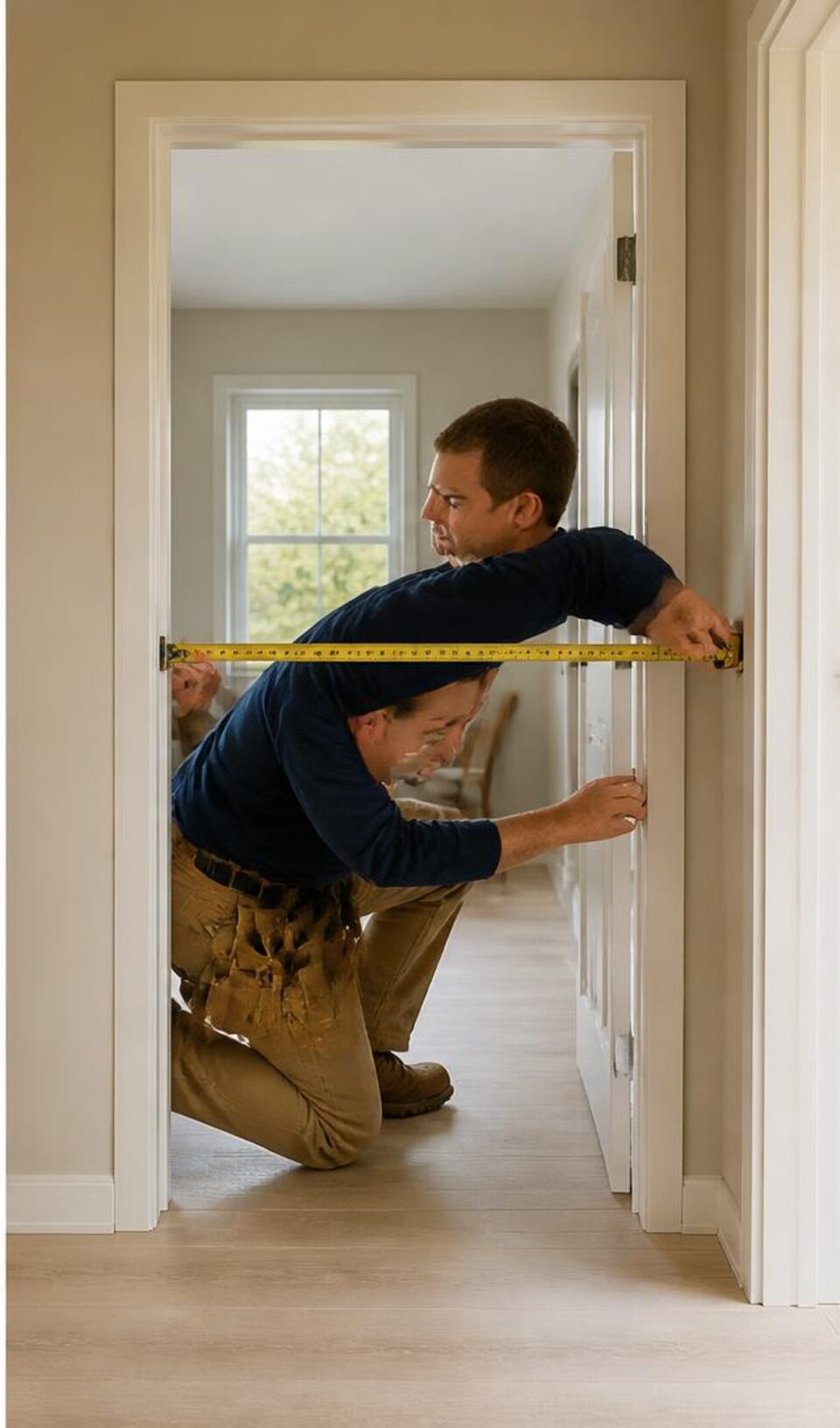
This is why early drawings and accurate field measurements are important. A contractor, designer, architect, or code consultant should identify the governing requirements before construction, not after a room has been tiled.
Set the right goal before requesting bids
Tell potential professionals who will use the space, what mobility equipment is involved, and whether legal compliance is required. Ask which codes and standards they are using and who will confirm the design. In Los Angeles County, requirements and review processes can differ among cities.
For a private aging-in-place remodel, the best question may be: “How can we make this work safely for my mother and still meet local code?” That produces a more useful conversation than requesting an ADA label without context.
Keep exploring with our ADA bathroom guide or our wheelchair ramp guide.
Clarify what your project needs to achieve
We can assess a residential space, discuss the intended user, and help distinguish useful accessibility practices from requirements that need formal code review.