
Practical guidance for life at home
What Aging in Place Really Looks Like at Home
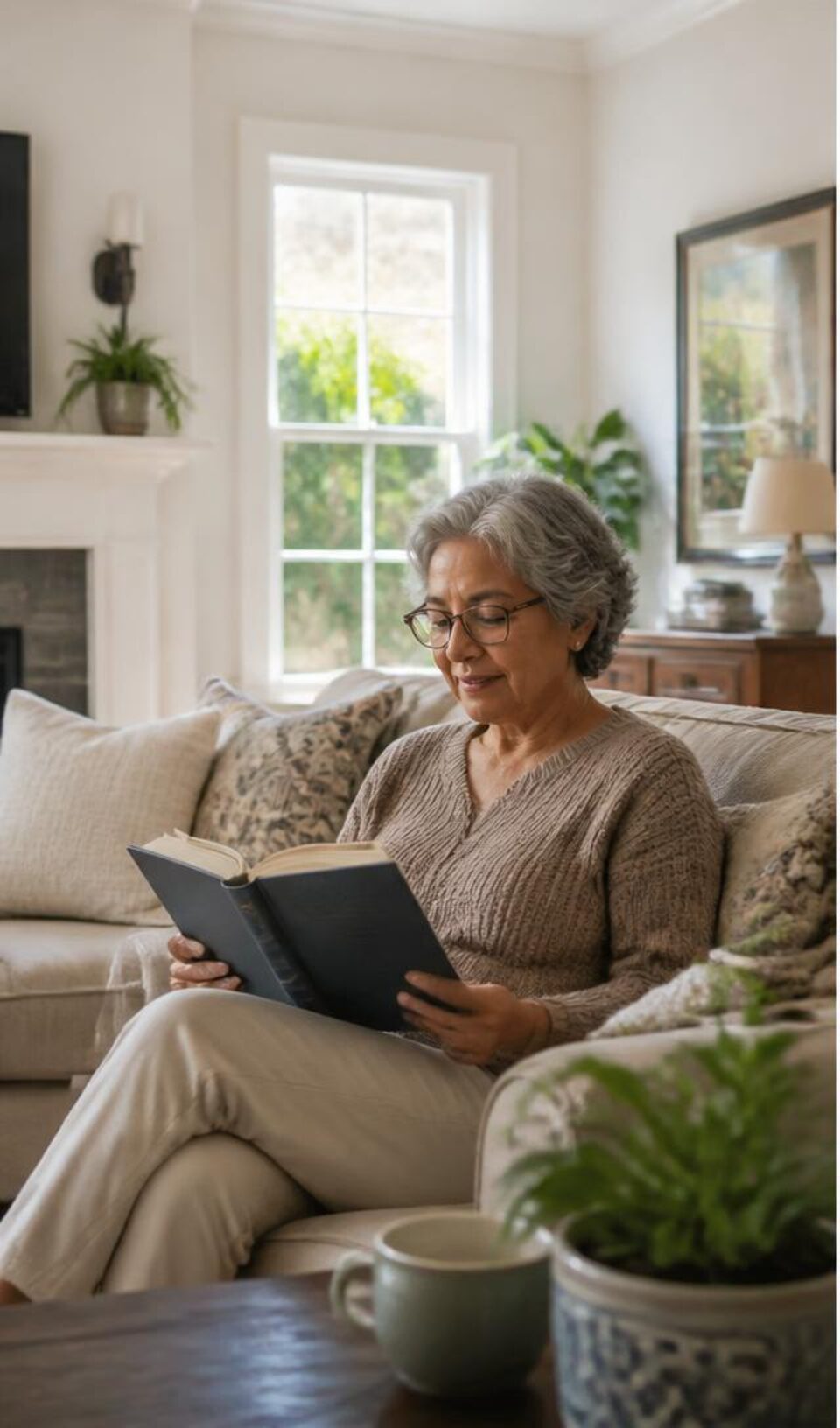
Most people don't wake up one morning and decide to “age in place.” The idea usually arrives quietly. A staircase feels steeper than it used to. A daughter notices her father steadying himself on the towel bar. Someone says, “I really don't want to leave this house.” That is where planning begins—not with a catalog of equipment, but with an honest look at daily life.
It means making home keep up with you
Aging in place is the choice to remain in a familiar home and community as needs change. It can involve remodeling, but it also includes transportation, household help, healthcare, family support, and staying connected to other people. A beautiful bathroom won't solve isolation, and a meal service won't fix an entrance that has become impossible to climb.
In Los Angeles, the building itself often shapes the conversation. A hillside house may have stairs before the front door. A 1920s bungalow may have a charming but tiny bathroom. A two-story home may be comfortable now, yet exhausting after surgery. The useful question is not whether the home is “accessible.” It is whether the person can move through a normal day with confidence.
Start with the moments that cause hesitation
Walk through an ordinary morning. Getting out of bed, reaching the bathroom, making coffee, bringing in a package, and carrying laundry reveal more than a generic checklist. Watch for places where someone grabs furniture, avoids a step, stretches too far, or waits for help.
Some problems have wonderfully simple answers. Better lighting can make a dark hallway easier to read. A second handrail may make the stairs feel secure again. Lever handles can help sore hands. Other concerns call for more planning, such as a curbless shower, a ramp, a stairlift, or moving essential rooms to one level.
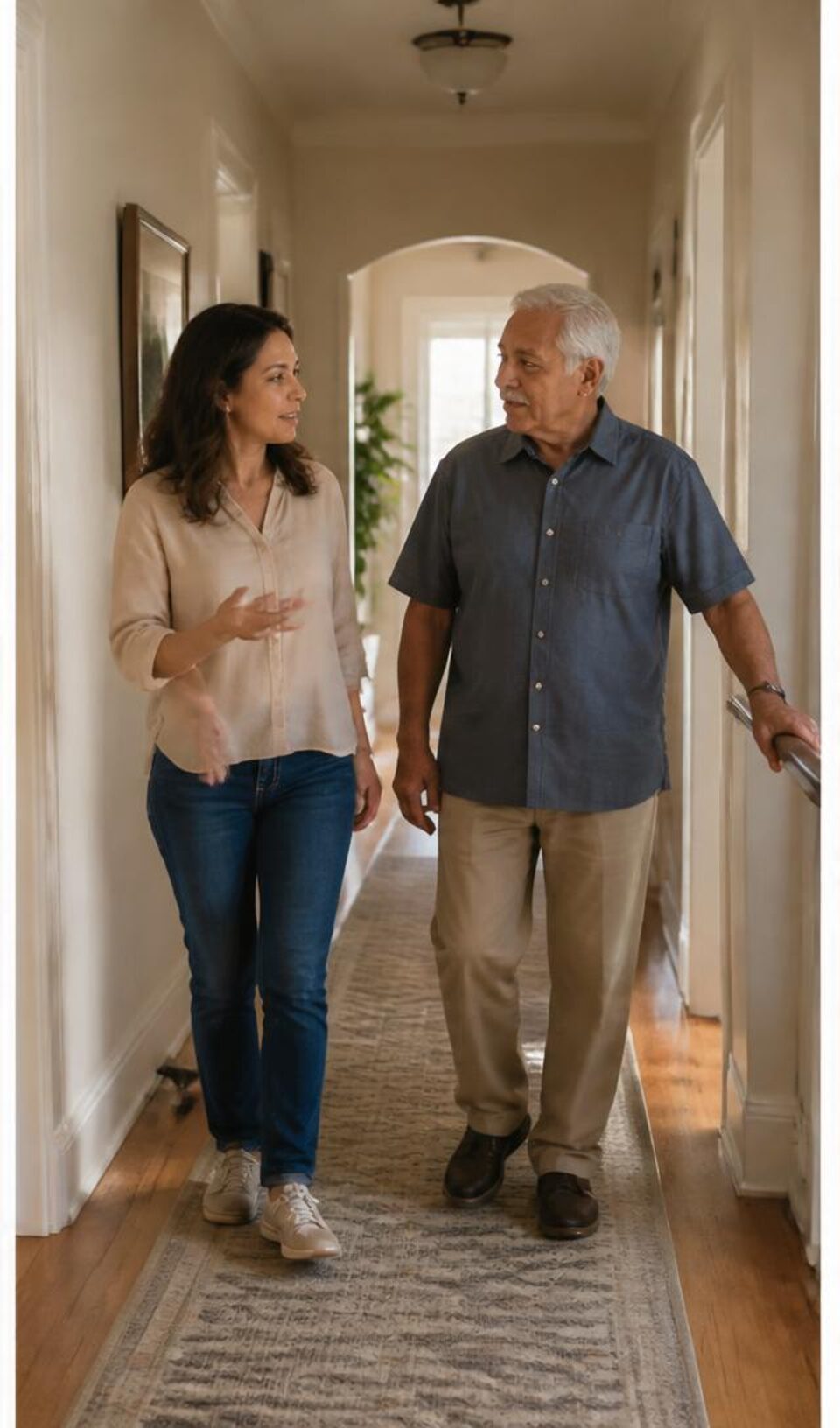
Planning ahead doesn't mean remodeling everything
Families sometimes feel they must prepare for every possible future. That can produce an expensive home that solves imaginary problems while missing today's real ones. A better approach separates urgent changes from sensible preparations. Wall backing can be installed during a bathroom remodel even if every grab bar isn't needed yet. A doorway can be widened while nearby work is already underway.
An occupational therapist can connect a person's abilities with daily tasks. A qualified remodeling professional can explain what the home can accommodate, what permits may be needed, and which changes can happen in phases. Those perspectives are especially helpful when family members have different ideas about what should happen next.
A move can still be the right decision
Staying home is not automatically the best or safest choice. A move may make more sense when the property can't reasonably be adapted, maintenance has become overwhelming, round-the-clock care is needed, or the person feels isolated. The goal is choice, not staying at any cost.
Compare the full picture over several years: housing, care, transportation, upkeep, renovations, and the resident's wishes. When the decision is made thoughtfully, aging in place becomes less about resisting change and more about building a life that remains manageable.

Keep exploring with our home safety assessment or our fall prevention guide.
Talk through what is changing at home
If a room, entrance, or staircase has started to feel difficult, Aging in Comfort can help you understand practical options without assuming you need a complete remodel.