
Practical guidance for life at home
What to Know Before Installing a Stairlift in Los Angeles
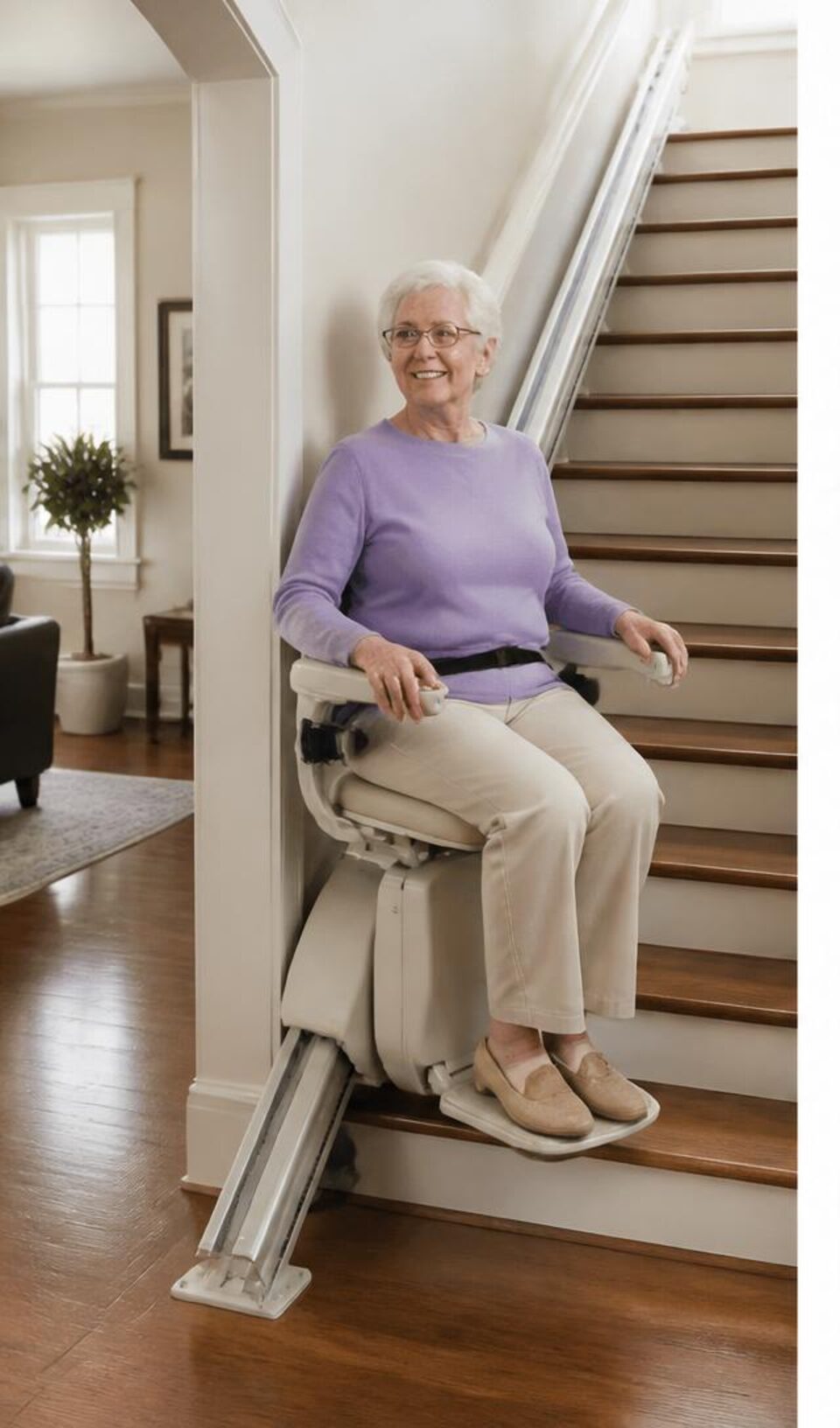
A stairlift can reopen an entire floor of a home without the construction of an elevator. For the right person, it is straightforward and liberating. For someone who cannot transfer safely, or whose staircase leaves no secure landing, it may only move the problem from one end of the stairs to the other.
The rider and the staircase both need to fit
A stairlift is best suited to someone who can settle into the chair, use the belt and controls, keep feet safely on the footrest, and get off at each floor. Pain, balance, cognition, and the location of a walker or cane all matter. A professional should discuss these details without assuming a chair lift is appropriate for everyone.
The staircase must remain usable too. Measure the width at tight points, doorways, handrails, and the top and bottom landings. A folding seat and footrest help, but they do not guarantee enough clear passage for another person.
Straight and curved rails are different projects
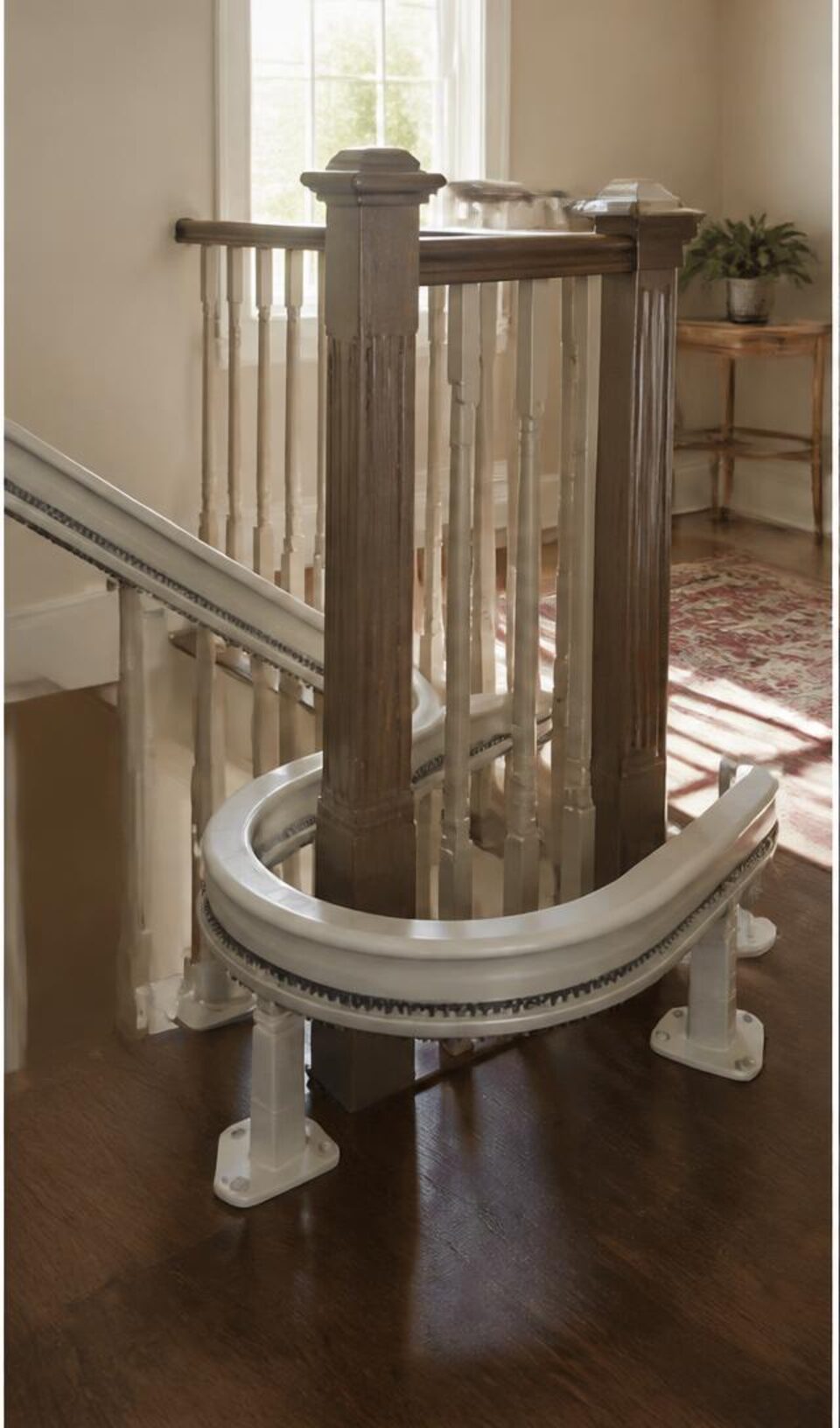
A straight lift uses a standard rail cut to length and is usually the quickest, most economical installation. A curved staircase, intermediate landing, or turn requires a rail made for that exact geometry. Fabrication takes longer and costs more, but a continuous curved rail can avoid a risky transfer between two separate chairs.
Outdoor lifts use weather-resistant components and covers, yet exposure still affects maintenance. In Los Angeles, sun, irrigation, coastal air, and debris should be considered when choosing a location and service schedule.
Look beyond the chair itself
A swivel seat can let the rider get off facing away from the stair opening. Obstruction sensors, a seat belt, battery operation, and folding rails are common features, but details vary by model. Ask what happens if the lift stops mid-stair and how manual recovery works.
Permit and inspection requirements depend on the device and local authority. The installer should identify the approvals for the specific address and explain who is responsible for them. Do not assume the process is the same in the City of Los Angeles and every surrounding city.
Local service matters after the installation
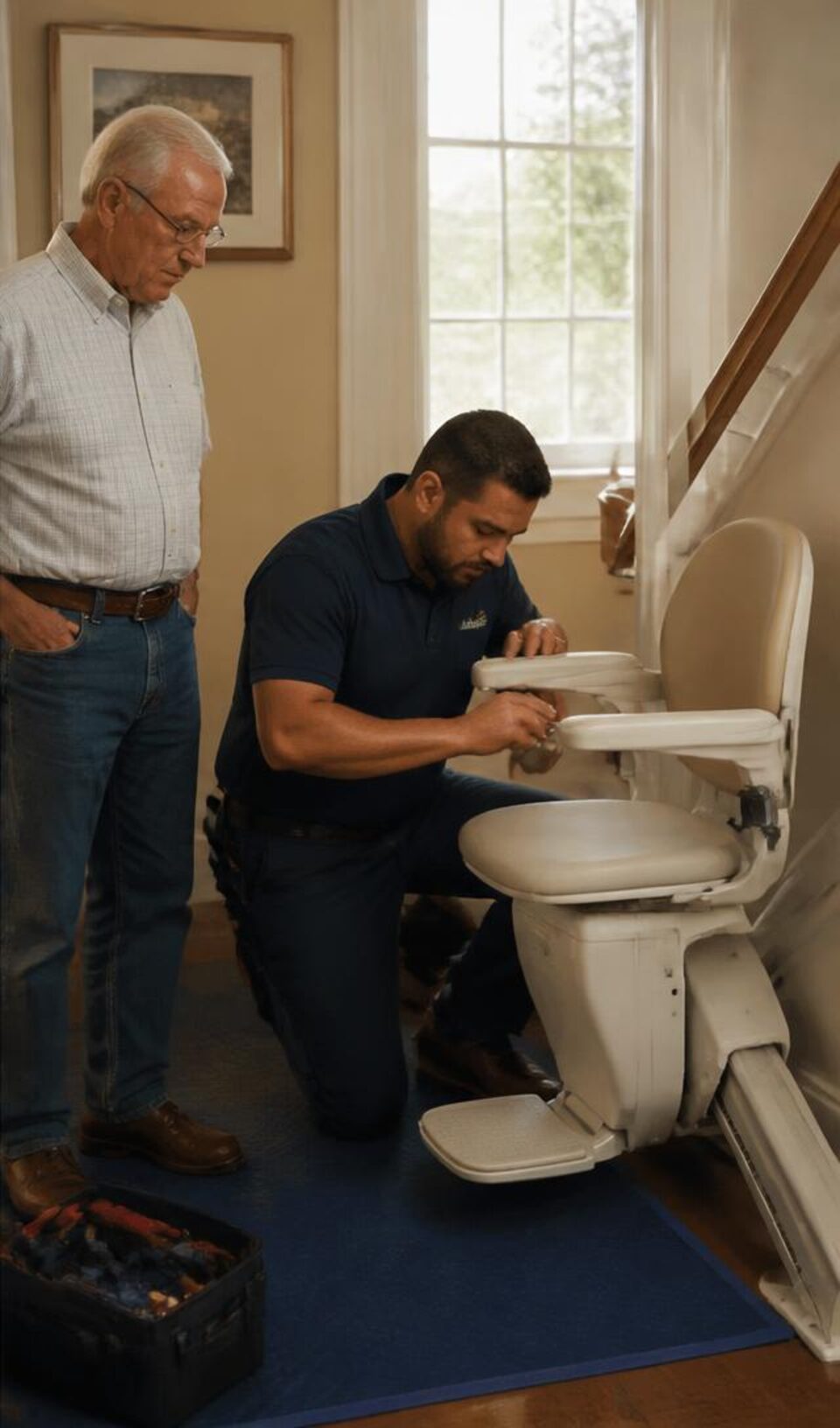
A stairlift will eventually need adjustments, batteries, or repairs. Ask who answers the service call, whether technicians are local, how replacement parts are sourced, and what is included in the warranty. This is especially important for custom curved equipment that cannot easily be replaced with another brand.
If the rider uses a wheelchair full time, cannot transfer, or needs to move equipment between floors, compare a platform lift, through-floor lift, elevator, or a first-floor living arrangement. A stairlift is valuable when it matches the person's real routine.
Keep exploring with our home elevator guide or our home elevator cost guide.
See whether a stairlift fits your routine
We can measure the staircase, discuss transfers and landing space, and help compare a stairlift with other ways to reach each floor.