
Practical guidance for life at home
How to Choose an Aging in Place Contractor in Los Angeles

Inviting a contractor into your home is personal. You're not only discussing tile, framing, or plumbing. You may be talking about a parent's fall, a spouse's diagnosis, or your own frustration with a room that no longer works. A good contractor understands that the conversation deserves patience and clarity.
Look for someone who listens before measuring
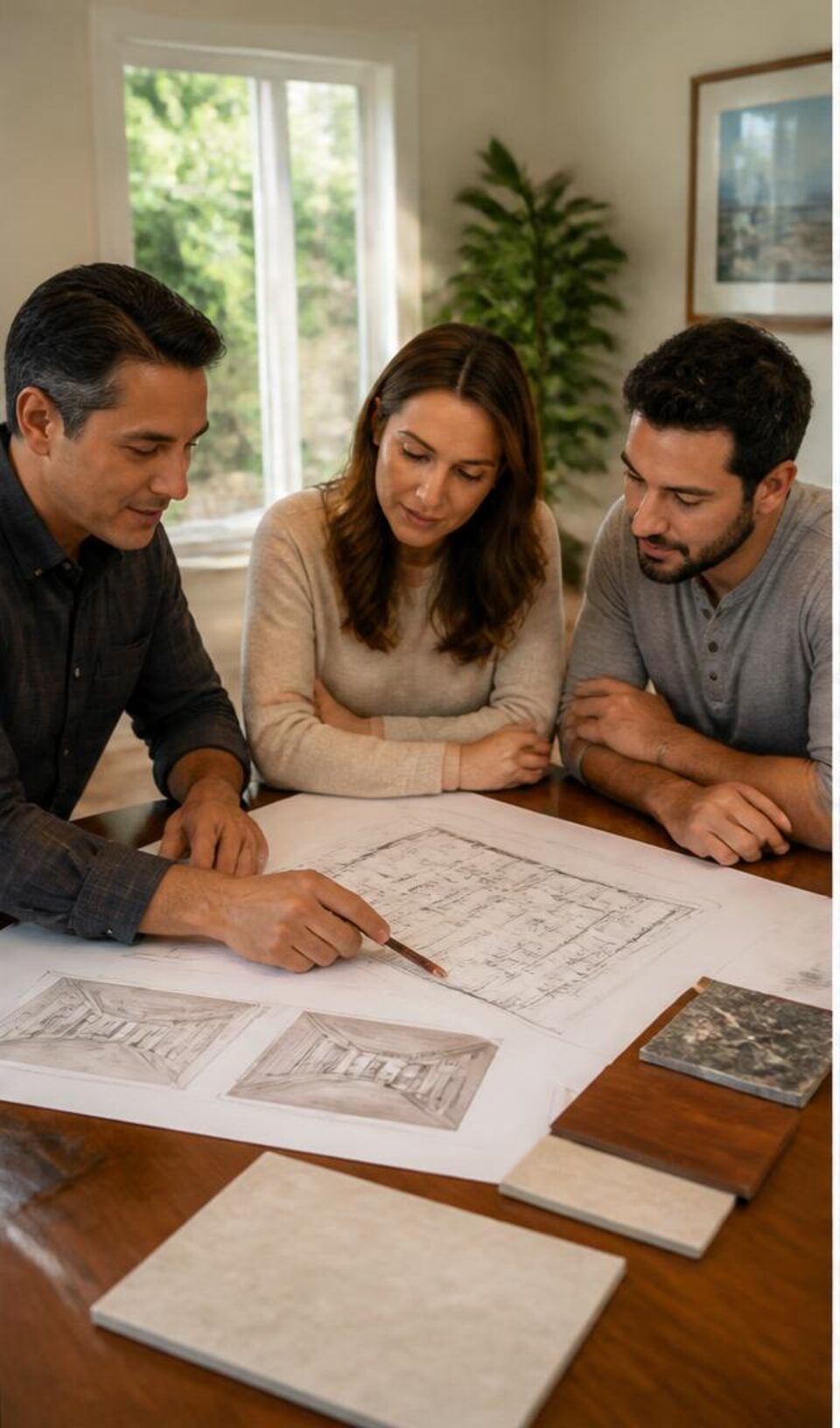
The first visit should feel like a conversation, not a sales presentation. A thoughtful professional will ask what has become difficult, whether mobility is likely to change, who else uses the space, and what the homeowner wants to keep. They should notice the entire route to a room, not just the spot where a new fixture might go.
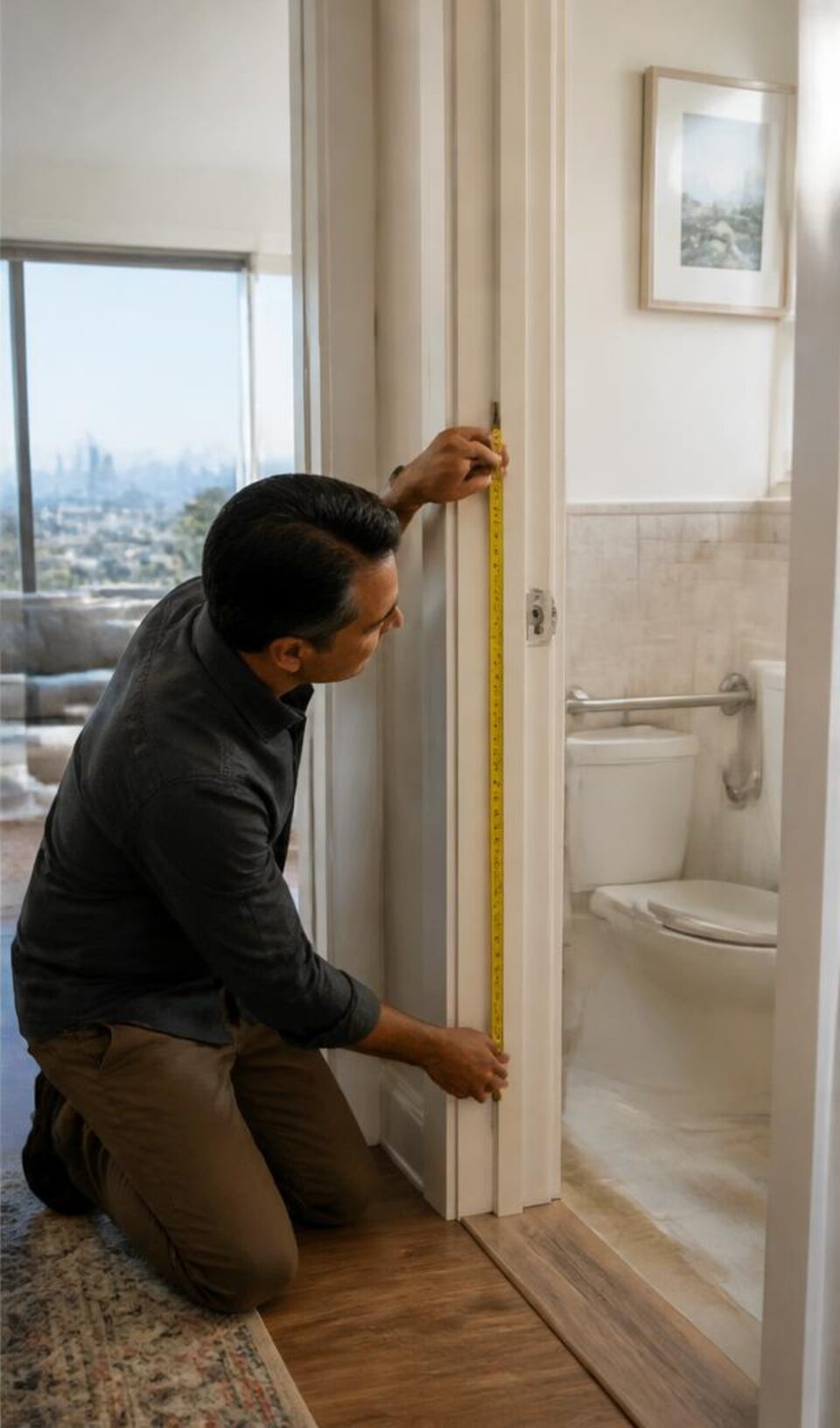
That matters because the obvious answer isn't always the right one. A walk-in tub may be a poor fit for someone who cannot wait safely while it fills and drains. A stairlift works only when the rider can transfer on and off it. A beautifully built ramp can still fail if the landing leaves no room to open the door.
A clear proposal should tell a story
You should be able to read a proposal and understand the problem, the recommended solution, and the work required to get there. Labor, materials, preparation, permits, protection, cleanup, and finish repairs should not be hidden behind a vague single line.
Ask why one option is recommended and whether a smaller change could work. Also ask what is not included. Responsible contractors talk openly about uncertainty, especially in older Los Angeles homes where concealed plumbing, framing, or water damage may not be visible until work begins.
Occupied homes need extra care
Accessibility remodeling often happens while someone is recovering or depending on the room being changed. Find out how dust will be contained, how essential paths will remain open, and when water or power may be unavailable. Communication matters just as much as construction skill when a family is coordinating care around the project.
Local experience is valuable too. Compact bathrooms, hillside lots, narrow side yards, older electrical systems, and different city permitting offices can all affect a project. An onsite evaluation is more reliable than a confident answer based on a few phone photos.
Trust your reaction to the conversation
Credentials, licensing, insurance, references, warranties, and written terms all matter. So does the way your questions are handled. You should not feel rushed, embarrassed, or pressured into the largest project.
Aging in Comfort begins with the way the person actually lives. Our role is to explain practical choices and their trade-offs so a family can make a decision with clear expectations.
Keep exploring with our aging in place guide or our home assessment guide.
Bring us the problem, not a product choice
Tell us what has become difficult. We'll look at the home with you and explain which changes are worth considering, including simpler alternatives when they make sense.